Commercial-Medical Gas
(480) 452- 7980

Water heaters
If your water heater is more than 8–12 years old, it may be nearing the end of its service life—especially if you're noticing signs like inconsistent water temperature, reduced hot water supply, unusual noises, or visible rust around the tank or water lines. Leaks or pooling water near the base of the unit are also red flags that shouldn’t be ignored. Rising energy bills can indicate your system is working harder than it should, and in gas units, a yellow or flickering burner flame can signal performance or safety issues. If you’re seeing any of these signs, it may be time to consider a replacement to avoid unexpected failure, water damage, or safety hazards.
Tankless
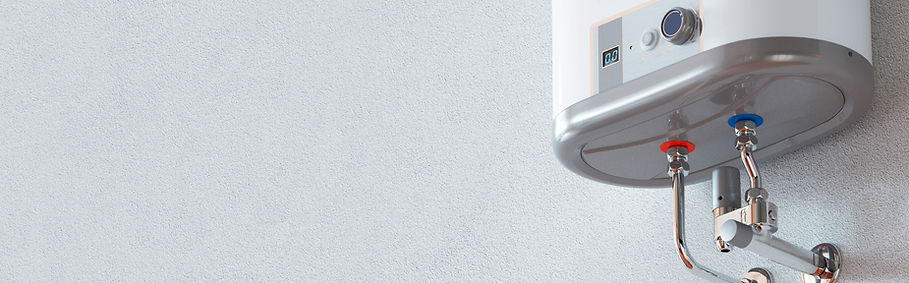
A tanked water heater stores and continuously heats a set volume of water, making it ideal for consistent usage but less energy-efficient due to standby heat loss. In contrast, a tankless water heater heats water on demand, providing endless hot water and improved energy efficiency, though it may have a higher upfront cost and limited flow rate for high-demand settings.
Though they may not look different, commercial units are built for higher capacity, durability, and frequent use, and often carry shorter but more robust service warranties due to the demanding environment.
Residential models typically come with longer warranties—often 5 years—but aren’t designed for the heavy usage of commercial applications. Choosing between tanked and tankless depends on your space, hot water demand, and budget, while selecting between residential and commercial, systems should align with your building’s usage patterns and code requirements.

Commercial vs Residential Heaters
Give us a call for a maintenance check on your existing water heater. Expert advise will keep your water heater working and keep you in business! Call (480)452-7980 to schedule an appointment today!